The Treehouse
2026 Best Awards Finalist — Spatial Design - Residential Interior Architecture & Design
2026 Best Awards Finalist — Spatial Design - Colour
Interior Architecture & Design — Nicola Ross Design
Architecture — Pak Design
Builder — Humphries Construction
Interior Joinery Manufacture & Installation — DMAC Joinery
Photography — Bonny Beattie
A home shaped around light, material and the quiet resolution of space.
The Treehouse came into the studio in 2024 for repeat clients building within a golf course development. The architectural shell was already strong; my role was to develop an interior language that could sit confidently within it while making the home feel warmer, calmer and deeply personal to the people living there.
Working across spatial planning, interior architecture, custom joinery, material specification and interior detailing, the project evolved as one continuous composition rather than a series of individual rooms.
The spatial intervention
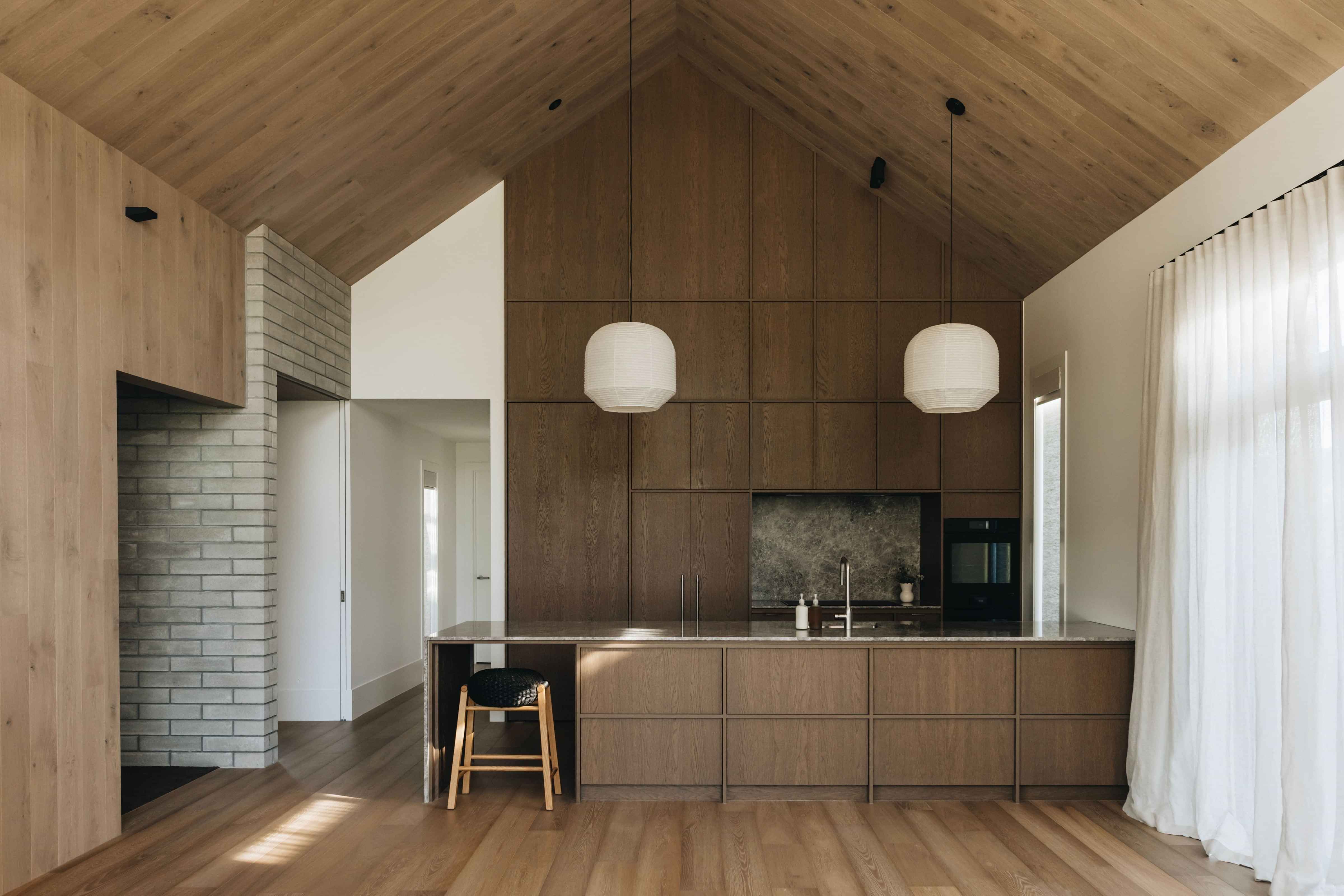
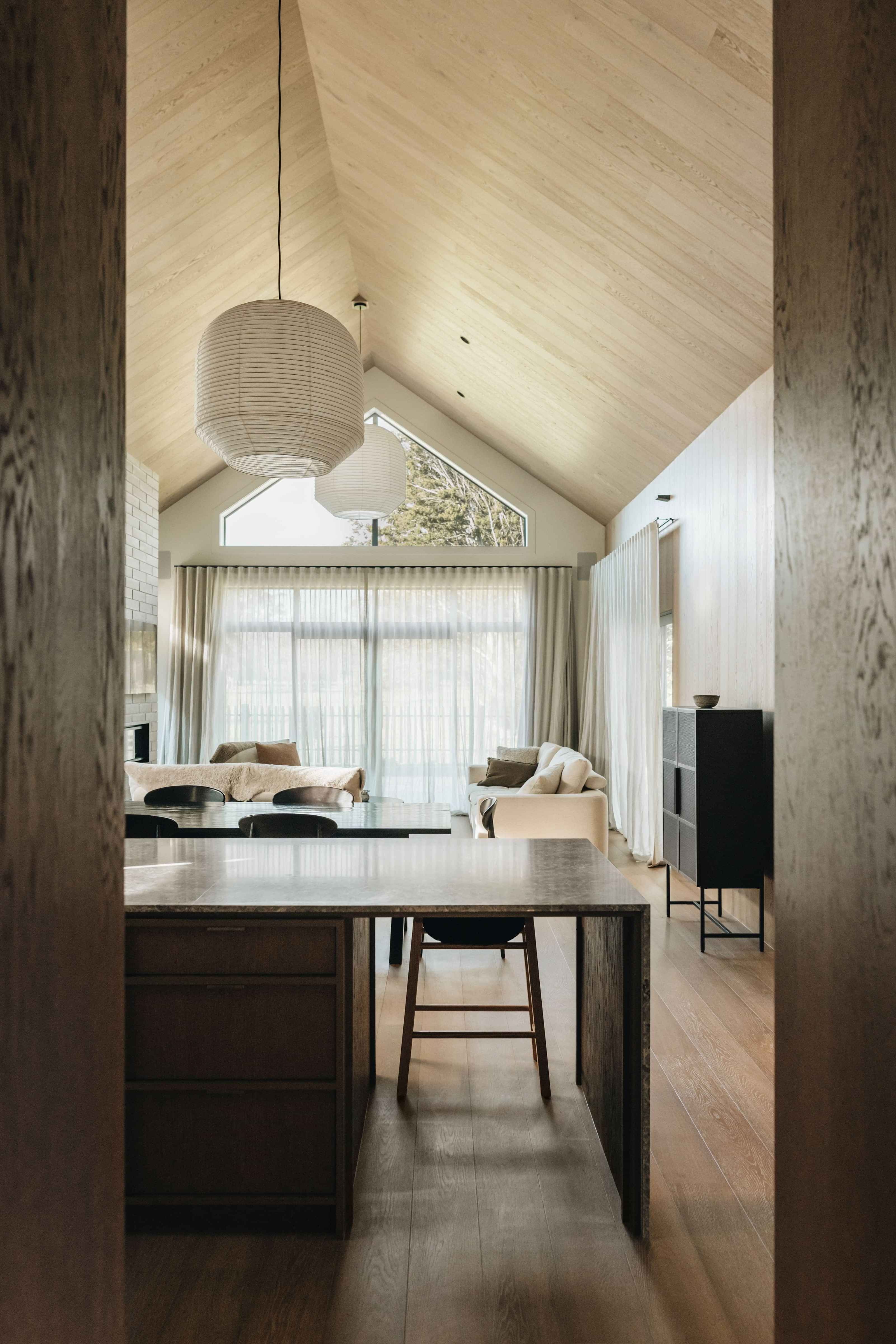
Taking the kitchen joinery full height became the move that unlocked the central living space.
What could have remained cabinetry beneath a painted architectural face was instead developed as a complete timber plane, bringing the kitchen, concealed scullery access and surrounding elements together as a single composition.
Drawing loosely from the construction logic of Japanese shoji screens, the timber detailing establishes rhythm and proportion rather than acting simply as decoration.
Once that element existed, it set the standard every decision that followed had to rise to meet.
Designing for the light that exists
The material palette was never about decoration.
With a large two-storey home neighbouring one side of the site, direct sunlight leaves the lower storey by early afternoon. Rather than fighting that condition, materials were selected for the way they respond as the light drops.
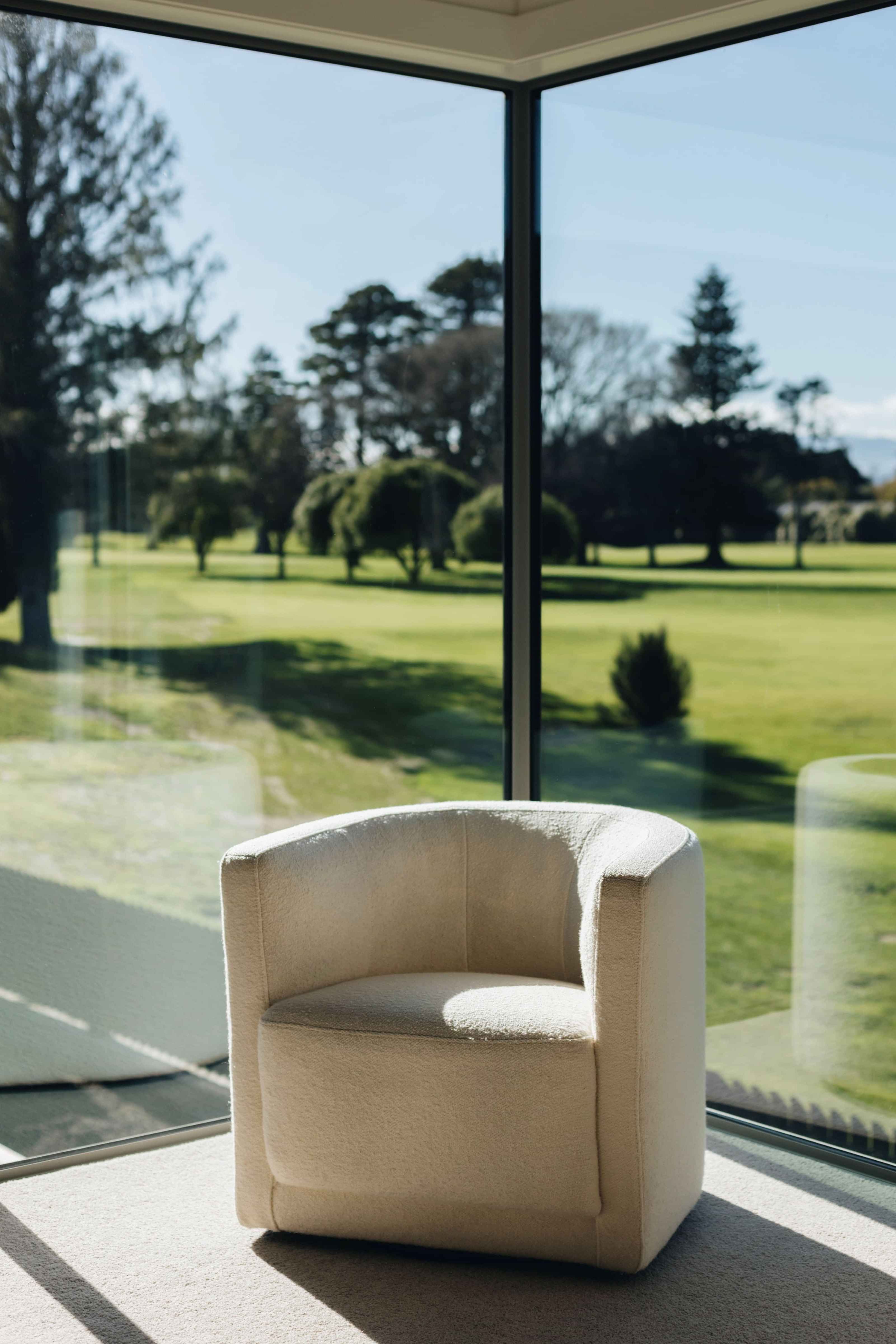
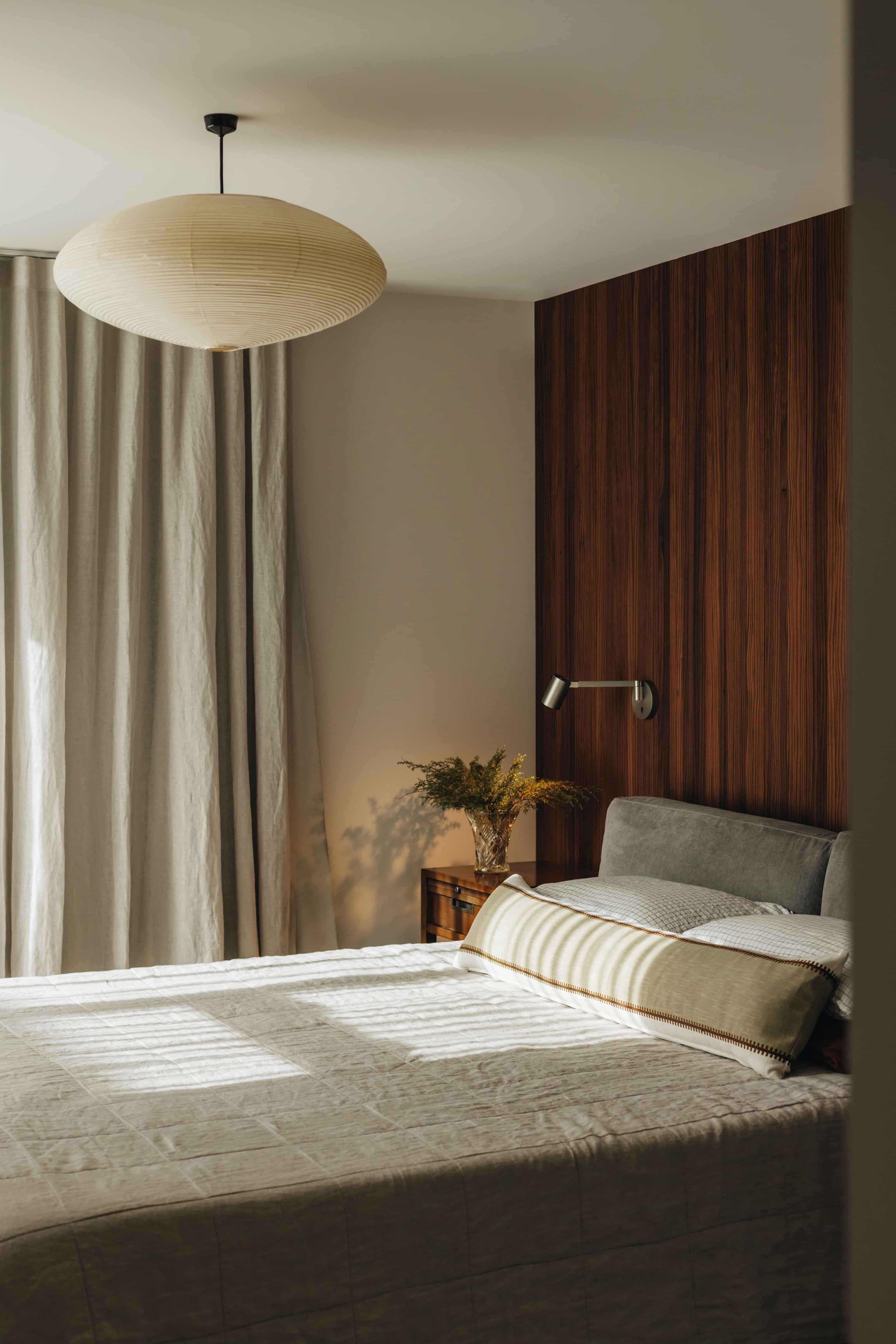
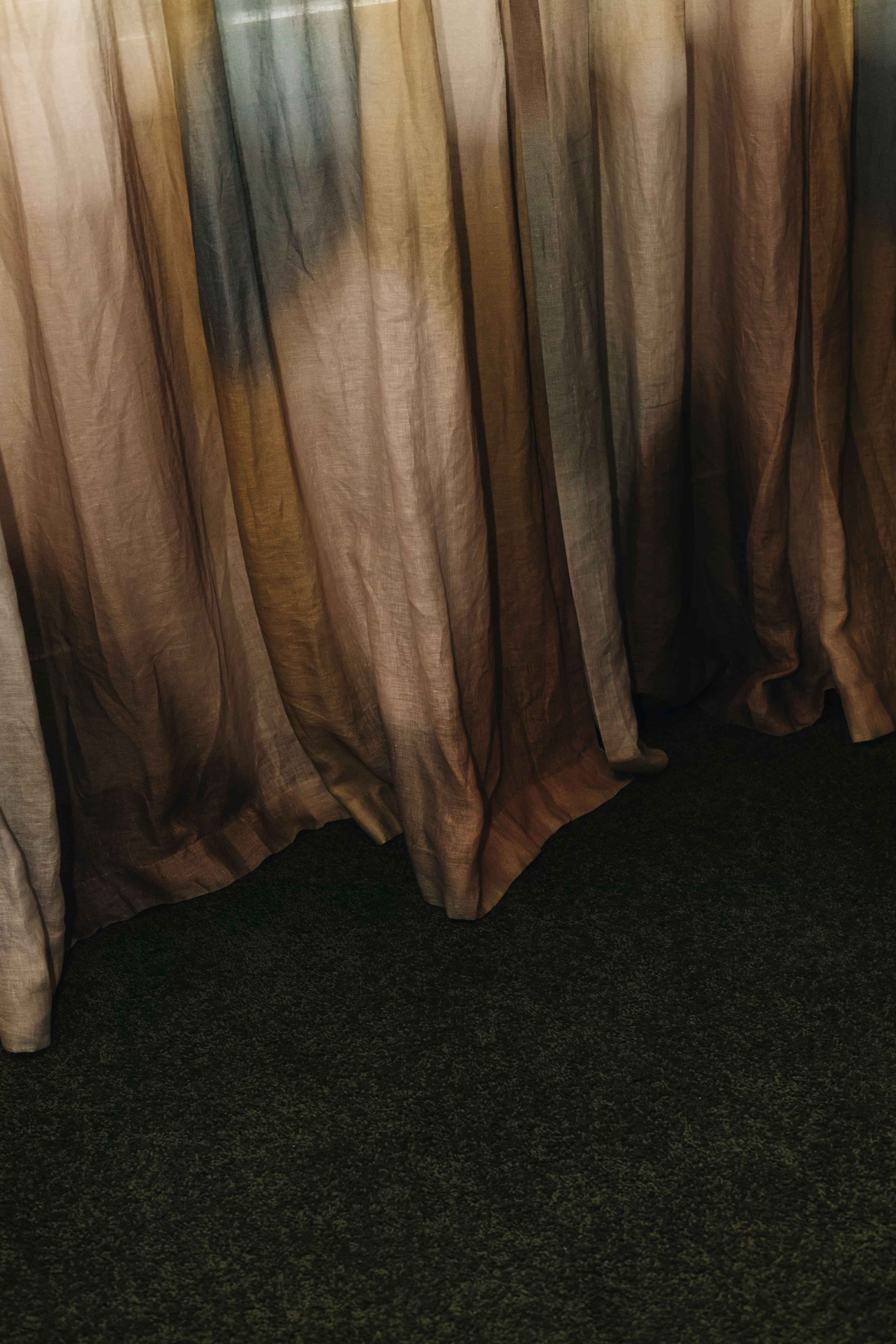
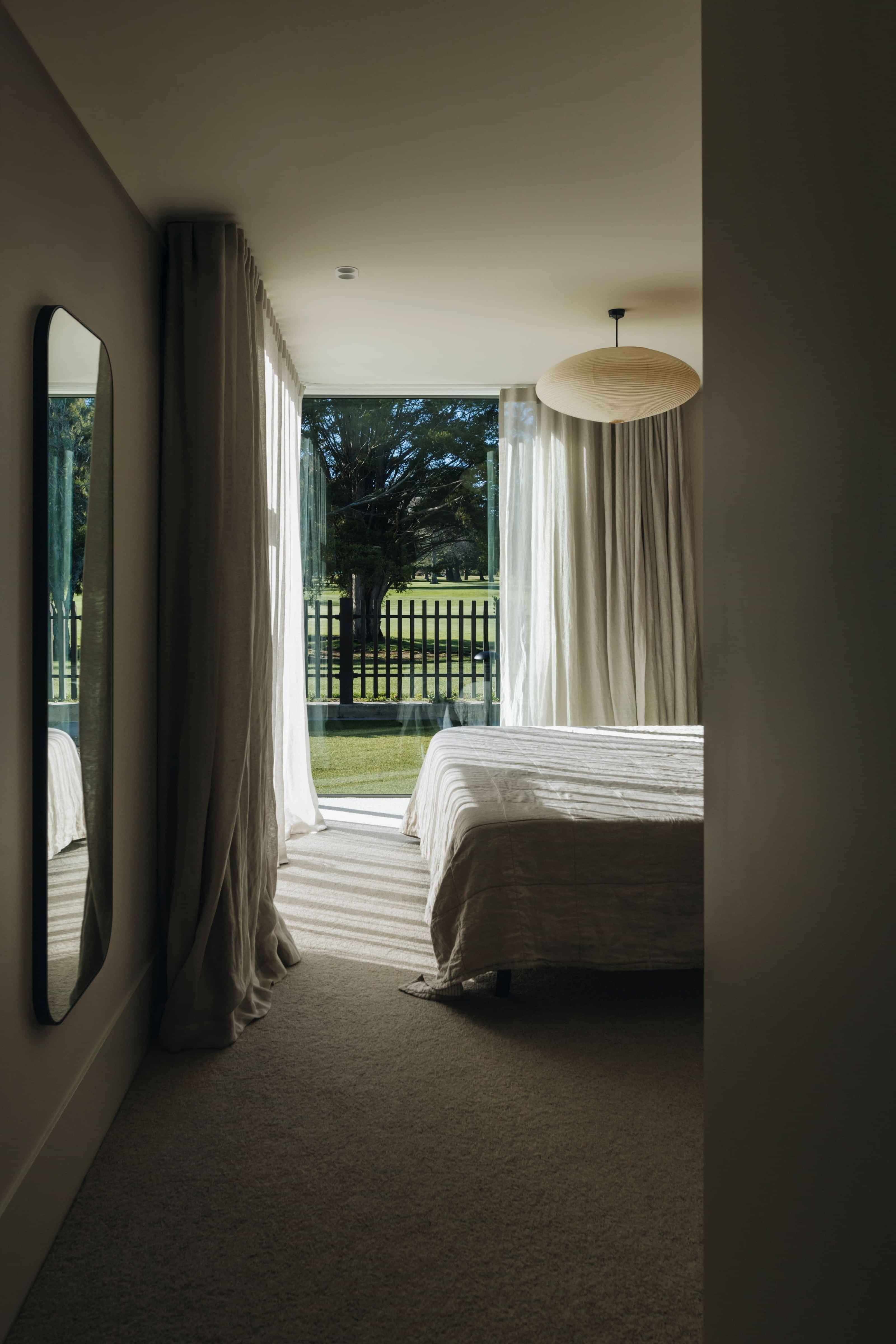
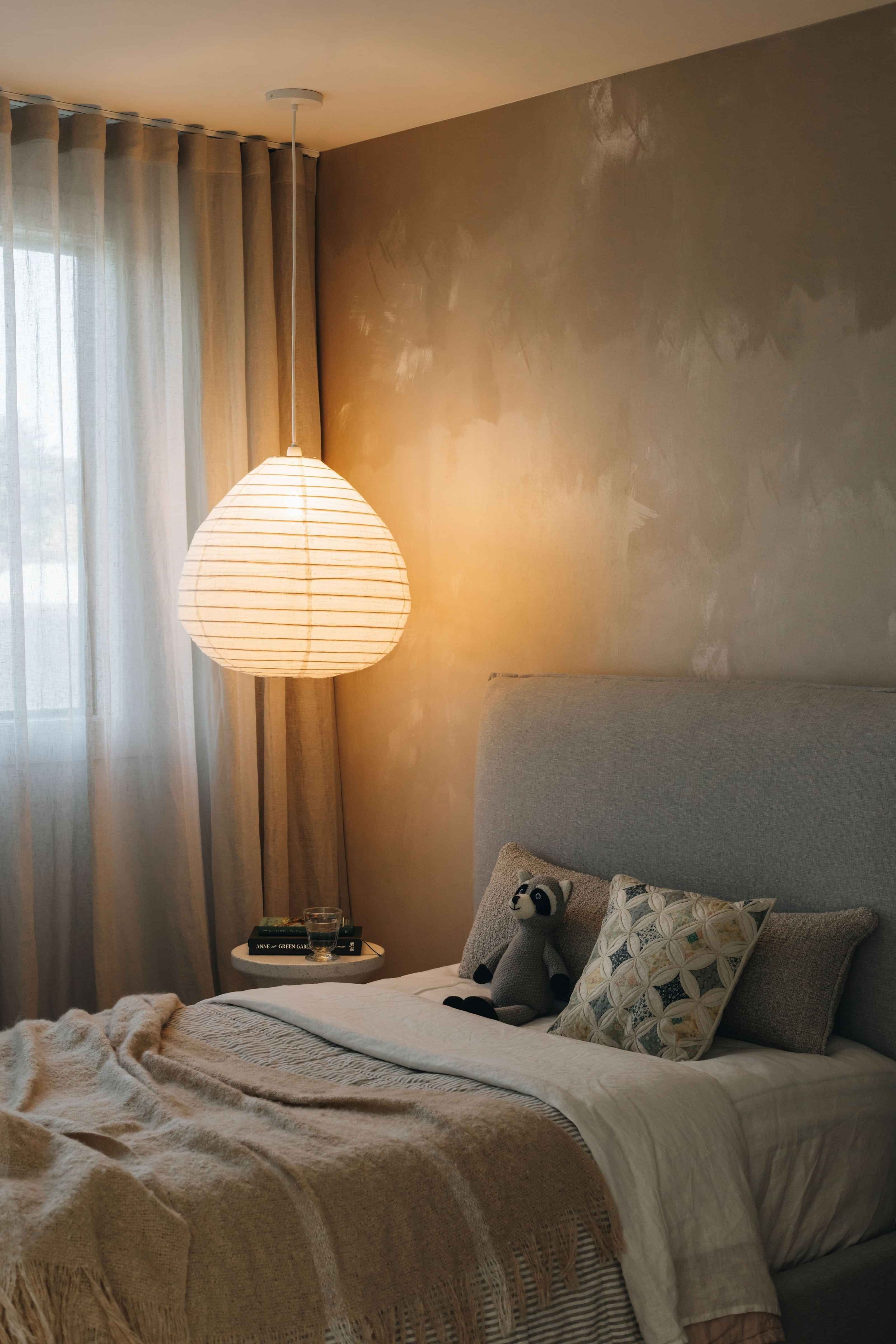
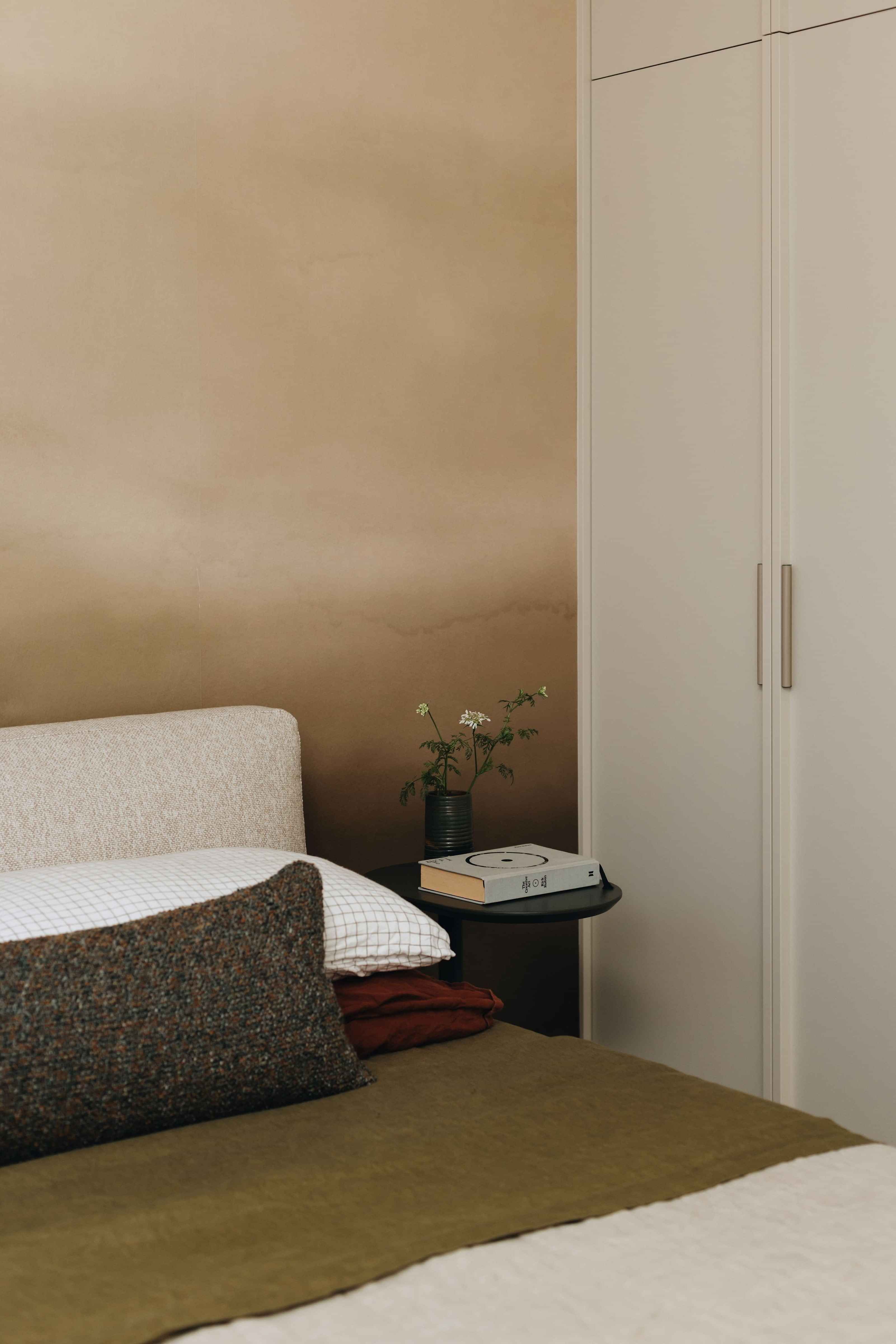
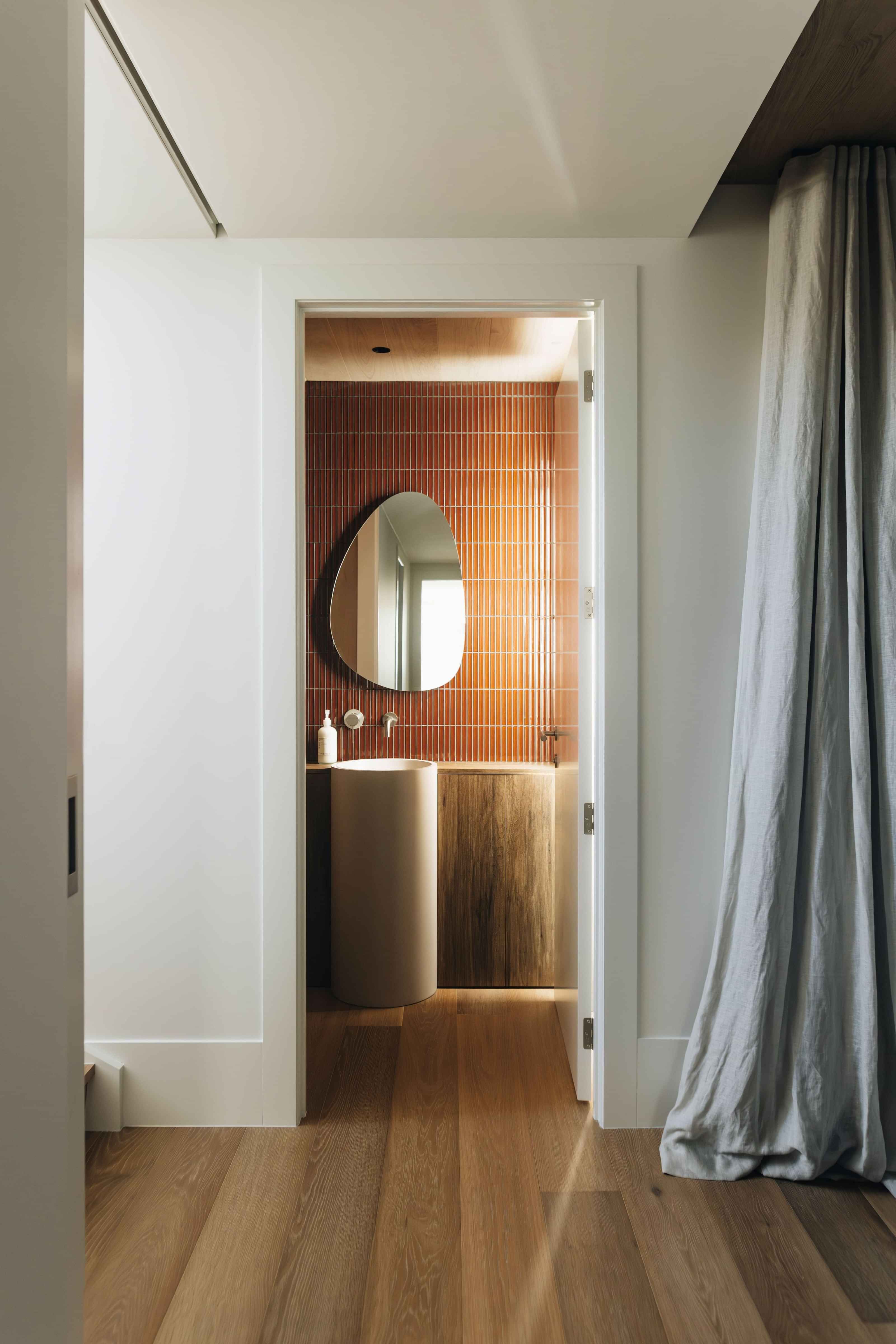
Washed grey oak, walnut joinery and gauze-like window treatments soften and amplify the available light, while deeper tones sit within the darker heart of the home to create a deliberate sense of refuge and enclosure.
As you move upward through the house, the palette becomes progressively lighter.
The result is a home that works with the light it actually has rather than the light we might wish it had.
Reducing visual static
Throughout the project, seemingly small decisions were considered in relation to the whole.
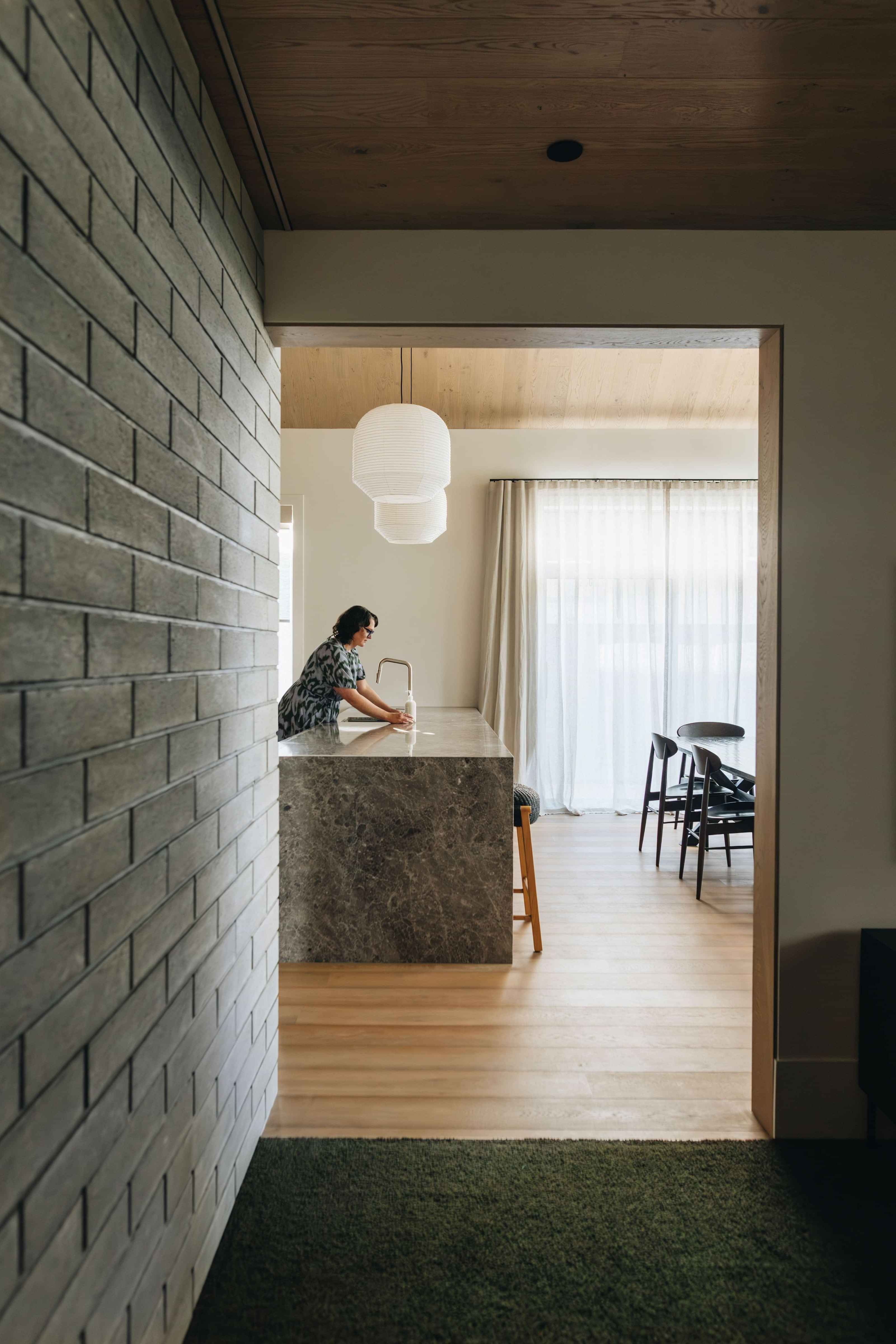
At the junction between the brick spine, entry and kitchen, the original architectural direction was to continue the brick upward as a column terminating at the ceiling.
Standing within the space during construction, I felt the additional junction would fragment the material language and introduce unnecessary visual competition.
Instead, the brick was extended across the entry and into the kitchen wall, creating a clear threshold between the living spaces and the entry and utility wings.
It is a subtle intervention, but one that allows each area to read more clearly.
That process reflects the way I approach interiors: continually looking for what can be resolved, simplified or removed so the architecture, materials and life within the home have room to breathe.

A home designed to be inhabited
The Treehouse is deliberately restrained, but not minimal for the sake of minimalism.
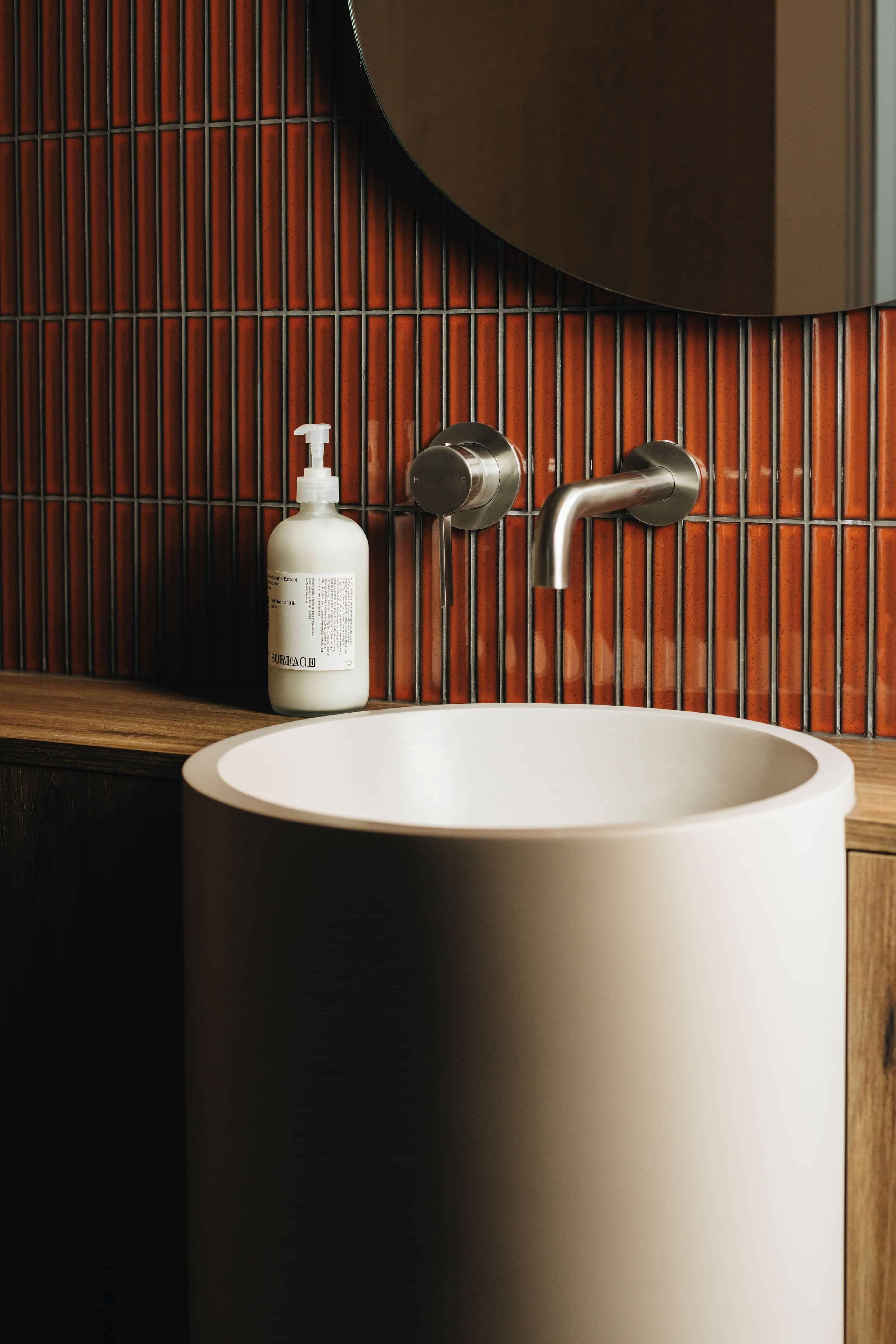
Colour defines territory. Timber brings warmth and rhythm. Deeper spaces offer refuge before opening again toward light and landscape.
The aim was never to create a house that announces its design credentials.
It was to create a home that feels instinctively resolved, somewhere the clients can return to and exhale from the outside world.